





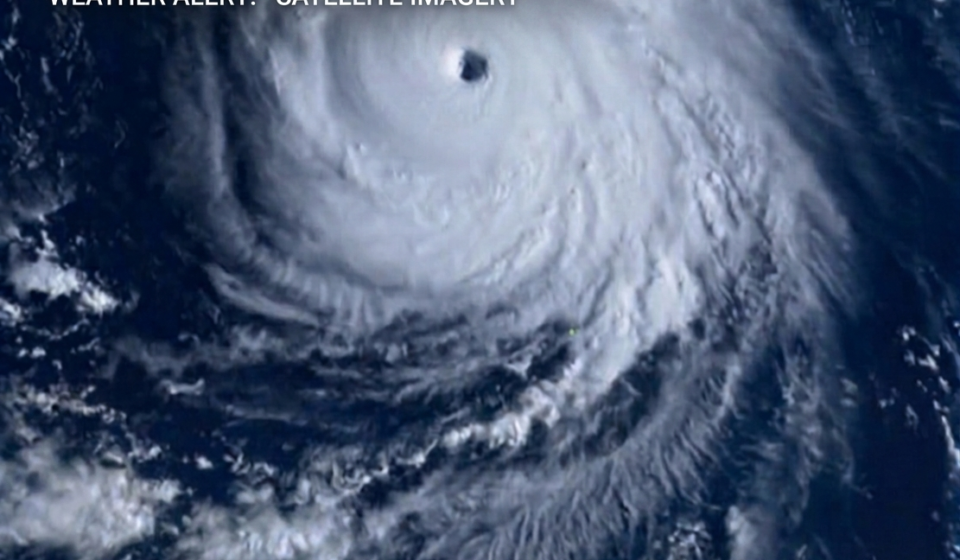

The Philippines is bracing for another severe weather event as Typhoon Fengshen advances toward the archipelago. Local authorities and weather agencies have already initiated emergency protocols, ordering thousands of residents to evacuate high-risk zones ahead of the storm’s projected landfall.
This latest climate threat arrives at a challenging time for the nation, which is currently recovering from a series of recent earthquakes and destructive tropical storms that have claimed dozens of lives over the past few weeks.
Path and Projected Impact of Typhoon Fengshen
According to international meteorological tracking reports, the eye of Typhoon Fengshen is heavily forecast to sweep directly across Catanduanes Island.
Population at Risk: Catanduanes is home to roughly 270,000 residents, making large-scale safety measures absolutely critical.
Wind Speeds: Local reports indicate that the storm is packings dangerous wind gusts reaching up to 80 km/h.
Timeline: The peak impact and closest approach to the island are expected by the end of October 18th.
Government Response and Mass Evacuations
In response to the imminent threat, the Philippine government’s primary weather agency issued strict warnings regarding heavy, torrential rainfall. Additionally, meteorologists have flagged a “minimal to moderate risk” of coastal flooding, with storm surges and waves projected to reach up to 1.2 meters ashore.
Official Statement: The provincial disaster response office confirmed that more than 9,000 residents in Catanduanes have already been successfully moved to emergency shelters and designated safe zones.
To prevent casualties, the Catanduanes provincial government has explicitly instructed all local officials to activate localized evacuation plans. These efforts are strictly targeting high-risk areas, which include:
Vulnerable coastal communities prone to storm surges.
Low-lying residential areas facing severe flood risks.
Steep mountain slopes highly susceptible to rainfall-triggered landslides.
A Region Prone to Extreme Weather
The impending landfall of Typhoon Fengshen highlights the ongoing climate vulnerability of the region. Geographically, the Philippines is recognized as one of the most disaster-prone nations globally, experiencing an average of 20 typhoons and tropical cyclones every year. These recurring natural disasters consistently threaten infrastructure and the livelihoods of millions of people living along the storm paths.
